The Real Truth: Oneplus Nord 5 or Google Pixel 10 Pro Xl?
Choosing a new smartphone has become more nuanced than ever. Beyond the headline specifications, modern buyers weigh software experience, camera performance in everyday conditions, charging convenience, and long-term support. This article compares the Oneplus Nord 5 and the Google Pixel 10 Pro Xl in practical, real-world terms. It aims to help readers decide which phone better suits their needs by examining design, display, performance, cameras, battery life, software and updates, and value propositions—then offering a concise buying guide to apply those insights.
Quick framing: what kind of buyer each phone targets
Both phones sit in competitive segments, but they appeal to different priorities. The Oneplus Nord series traditionally targets buyers who want flagship-like hardware and fast charging at a more accessible price—people who care about display smoothness, gaming performance, and snappy everyday responsiveness. The Google Pixel line, especially at the Pro level, has been aimed at users who prioritize camera quality, clean Android with timely updates, and advanced on-device intelligence for photography and voice features. Understanding which set of priorities matters more is the first step to making the right choice.
Design and build: feel, ergonomics, and durability
Design is personal, but ergonomics and build quality are objectively important for daily use. The Oneplus Nord 5 generally continues the Nord lineage of balancing premium finishes with cost-aware materials—usually a glass front, plastic or glass back with a lightweight frame. It tends to favor a slim, slightly curved silhouette and a tactile in-hand feel that appeals to long-session users, like gamers or frequent texters.
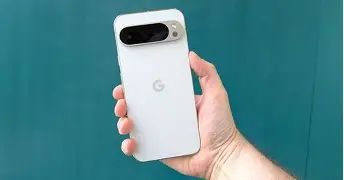
The Google Pixel 10 Pro Xl typically adopts a more premium approach at the Pro level, focusing on refined finishes, a distinct camera bar or module aesthetic, and a weight distribution tuned for one-handed reach despite larger displays. Historically, Pixel Pro models include more water and dust resistance assurances and premium materials, aligning with buyers who want a more enduring, premium object rather than a value-first handset.
Display: size, color, and daily viewing
Display quality matters for streaming, gaming, and reading. The Nord line has consistently emphasized high refresh rates and vibrant panels, making scrolling and gaming feel fluid. Buyers who watch a lot of video or use refresh-rate-sensitive apps will notice smoother motion on a high-refresh display.
Pixel Pro models usually prioritize color accuracy and natural color profiles, which benefits photographers who preview work on-device and users who prefer faithful color reproduction rather than saturated punch. The “XL” designation suggests a larger display, which benefits multitasking, media consumption, and split-screen apps, though it can make pocketability a compromise.
Performance and everyday responsiveness
Performance encompasses chipset speed, memory, and thermal tuning. Oneplus devices often focus on delivering strong raw performance and an experience tuned for speed—fast app launches, fluid animations, and aggressive thermal profiles for sustained workloads like gaming. For users who value frame-rate stability in mobile games or who run intensive productivity apps, that tuning is a practical advantage.
Google’s Pixel Pro models place emphasis on balanced performance combined with on-device machine learning features. Even if the raw benchmark numbers are close to a competitor, Pixel devices often deliver optimized experiences for camera processing, voice recognition, and contextual features because of tight hardware-software integration. This can be more noticeable in everyday tasks that rely on AI-driven features.
Shop the latest Mobile Phones picks on Amazon.
Browse Now →Cameras: real-world photography and video
Camera systems often decide buyer choices. The Oneplus Nord 5 is likely to offer versatile multi-lens setups—wide, ultra-wide, and telephoto or macro—delivering good results across common shooting situations. Oneplus phones typically favor vivid processing and an aggressive HDR strategy, which produces eye-catching photos straight out of the camera. That can be excellent for social sharing when quick, punchy images are desired.
Google’s Pixel Pro models have become synonymous with computational photography. The Pixel 10 Pro Xl should excel at producing detailed, natural-looking photos in a wide range of lighting conditions, particularly with difficult low-light scenes and high-dynamic-range situations. Pixels are also known for excellent portrait processing, realistic color rendition, and consistent computational stabilization in video. For buyers who rely on their phone as a primary camera—travelers, content creators, family photo-takers—the Pixel’s image pipeline is a major selling point.
Battery life and charging habits
Battery life in daily use varies with screen size, refresh rate, and software efficiency. Oneplus devices often pair large batteries with aggressive fast-charging technologies, allowing short top-ups to yield hours of use—an ideal trait for commuters or those who don’t want to be tied to a charger overnight. Fast wired charging is a real convenience for heavy users.
Pixel Pro models typically offer competent battery life focused on balanced endurance across mixed usage and tend to emphasize smart battery management. While Pixels may not always match the raw charging speed of value-focused flagships, their power management and adaptive features can extend day-to-day runtime in a meaningful way.
Software, updates, and long-term support
Software experience is a differentiator. Oneplus uses its own Android skin with a focus on customizations, performance-oriented tweaks, and features tailored to enthusiasts. It provides a lot of control for users who like to tweak the UI, gestures, and display behavior.
Google offers the most direct Android experience on Pixel devices, usually including exclusive features that leverage Google’s AI and integration with services. Crucially, Pixel devices are often first in line for major Android updates and security patches, and Pro models generally receive a longer and more predictable support window—an important consideration for buyers who intend to keep a phone for multiple years.
Real-world use cases: who benefits most from each phone?
- Casual photographers and social sharers: The Oneplus Nord 5’s punchy processing and versatile lens array make it easy to get attractive shots for social media with minimal fuss.
- Photography-obsessed users and travelers: The Pixel 10 Pro Xl’s computational photography and low-light strengths provide consistently excellent images for travel diaries and important moments.
- Mobile gamers and power users: Nord’s performance tuning and high-refresh displays favor gaming and heavy multitasking sessions.
- Privacy-conscious and update-minded buyers: Pixel’s timely updates and clean Android are advantageous for longevity and security-minded ownership.
- Commuters and frequent travelers: Oneplus’s fast charging convenience reduces time tethered to a wall outlet, while Pixel’s adaptive battery strategies extend usable time between charges.
Pros & Cons
Oneplus Nord 5
- Pros:
- Typically strong value for hardware relative to price
- Smooth high-refresh display for gaming and scrolling
- Fast wired charging for rapid top-ups
- Customizable software with performance-oriented features
- Cons:
- Software update cadence may lag behind Google’s Pixel schedule
- Camera processing can be aggressive and less natural for some users
- Build materials may not match premium flagship levels in some areas
Google Pixel 10 Pro Xl
- Pros:
- Best-in-class computational photography and low-light performance
- Clean Android experience with early access to new features
- Predictable and extended software/support window
- Refined design and premium feel intended for long-term ownership
- Cons:
- Potentially higher price at launch compared to value-focused alternatives
- Charging speeds may be slower than some competing fast-charge solutions
- Less aggressive performance tuning for sustained gaming compared to some rivals
Side-by-side comparison
| Category | Oneplus Nord 5 | Google Pixel 10 Pro Xl |
|---|---|---|
| Design & build | Lightweight, ergonomic, value-oriented materials; focus on comfort | Premium finishes and refined aesthetics; focused on longevity |
| Display | High-refresh-rate panel tuned for smoothness and gaming | Large, color-accurate display tuned for fidelity and media |
| Performance | Performance-focused tuning useful for gaming and heavy tasks | Balanced performance with on-device AI acceleration for features |
| Camera | Versatile hardware, vivid image processing for share-ready shots | Computational photography leader—consistent, natural, excellent low-light |
| Battery & charging | Large battery with very fast wired charging for quick top-ups | Smart battery management with balanced endurance and wireless options |
| Software & updates | Feature-rich skin; updates less immediate than Pixel | Clean Android with early updates and longer support window |
| Value | Typically better hardware-per-dollar for buyers on a budget | Premium price but offers long-term software value and camera quality |
| Best for | Gamers, power users, fast-charging enthusiasts | Photography enthusiasts, long-term users, update-focused buyers |
Buying guide: how to choose between the Nord 5 and Pixel 10 Pro Xl
Use these concrete checkpoints to decide which phone better fits a buyer’s real-world needs.
1. Prioritize camera quality vs. social-ready shots
If capturing the best possible shots with minimal post-processing is the priority—especially in low light and mixed lighting—lean toward the Pixel 10 Pro Xl. If a vivid, punchy look that’s ready for social media is preferred, and the buyer values versatile hardware for varied situations, the Nord 5 is attractive.
Discover deals on Mobile Phones — updated daily.
Shop Amazon →
2. Consider software longevity and security
Buyers who plan to keep a phone for three or more years should weigh update schedules. Google’s Pixel program historically offers faster OS updates and a clearer multi-year support promise, which matters for security and long-term value.
3. Evaluate daily habits: charging and mobility
For people who are constantly on the move and prefer short charging windows, Oneplus’s fast wired charging reduces anxiety. For those who charge overnight and like wireless or more conservative charging habits, Pixel’s battery management is sufficient and reliable.
4. Gaming and sustained performance
Mobile gamers or users who run heavy tasks frequently should test thermal and frame stability. Oneplus’s tuning tends to favor aggressive performance, which can maintain higher frame rates for longer sessions.
5. Budget and perceived value
If upfront cost and getting the most hardware for the price are critical, the Nord series traditionally undercuts premium flagships with competitive specs. If the buyer prioritizes an overall experience and long-term support more than the initial price tag, the Pixel Pro model offers that assurance.
6. Try both in person
Whenever possible, compare both phones in a store or at a hands-on event. Pay attention to ergonomics (how the phone feels in a pocket or hand), display preferences (color warmth and brightness), and the camera app’s UX. Hands-on testing will reveal differences a spec sheet cannot fully convey.
Final considerations before purchase
- Storage and memory choices: Choose the storage tier that actually fits usage patterns—cloud storage helps, but if a buyer shoots a lot of video or keeps many offline files, larger storage is worth the investment.
- Carrier compatibility and region-specific features: Check bands, eSIM support, and carrier restrictions that can affect 5G performance and VoLTE features.
- Accessories and case ecosystem: A phone’s longevity benefits from good cases and screen protection—check availability for your preferred color and finish.
- Warranty and service: Confirm service centers and warranty terms in the buyer’s region; premium phones often justify their price via reliable service networks.
Conclusion
There is no single objectively “better” choice between the Oneplus Nord 5 and the Google Pixel 10 Pro Xl—only the better choice for a given buyer. The Oneplus Nord 5 is compelling for those who prioritize smooth displays, aggressive performance, and fast charging at a strong value. The Google Pixel 10 Pro Xl excels for buyers who value leading computational photography, a pure Android experience, and a predictable long-term update commitment. By matching the phone’s strengths to personal priorities—camera fidelity, gaming performance, charging habits, or software longevity—buyers can make a decision that will satisfy real-world needs for years to come.