Pxc 550 Wireless Honest Review — Is the Hype Justified?
Introduction
I've been using the Pxc 550 Wireless for several months as my go-to pair for commuting, long-haul flights, and day-to-day listening. I bought them because I'd read a lot of positive press and user chatter about the combination of sound quality and travel-friendly features. After months of real-world use — airports, noisy coffee shops, phone meetings on the go, and a few multi-hour listening sessions — I wanted to share what I actually experienced: the wins, the annoyances, and whether the hype around these headphones is really justified.
First impressions and build
Out of the box the Pxc 550 feels like a premium travel headphone. The hinge and folding mechanism are compact and fold down smaller than many full-size headphones, which is what I wanted for packing into an overhead bin or a backpack. The materials are a mix of lightweight plastics and soft-touch surfaces with metal reinforcements in the headband — it strikes a balance between feeling solid and keeping weight down.
One thing I appreciated immediately was how light they are. I noticed it on a long flight: my neck didn't get tired the way it sometimes does with heavier headphones. The earcups are well-padded with a soft synthetic leather that initially felt very comfortable.
Comfort and fit
Comfort was a major reason I kept using them. The clamping force is moderate — tight enough that they stay put during movement, but not so tight that my head felt pinched after a few hours. I did notice that after extended sessions (8+ hours, e.g., work-from-home days or long travel days) my ears felt a bit warm and the seal softened the pressure points where the pads contact the sides of my head. For me, that was an occasional annoyance rather than a deal-breaker.
The earcups swivel and fold flat, which helped with packing. I also liked that they can be used passively with the included audio cable if the battery dies — an important travel-friendly feature.
Controls and connectivity
The Pxc 550's controls are a combination of physical buttons and a touch-sensitive surface on the right earcup. In my experience, the controls worked well once you get used to them. Play/pause and track skip were simple, and answering calls was reliable. Volume control by swiping on the touch surface is convenient but not always precise; sometimes I had to swipe twice to get the level I wanted. Voice prompts and status tones are clear and helped me know what mode the headphones were in.
Pairing was straightforward: Bluetooth pairing was stable across a mix of phones and laptops. I paired them with both Android and iOS devices and didn't see frequent dropouts around my apartment or on trains. I also used NFC pairing occasionally, which made connecting to a phone quick when I was in a hurry. If you rely on multipoint connections (connected to two devices simultaneously), be aware that you may encounter limitations depending on firmware and devices — in my use I mostly paired one device at a time for the most reliable behavior.
Discover deals on Audio & Headphones — updated daily.
Browse Now →Sound quality
Sound is where the Pxc 550 pleasantly surprised me. In my experience they lean slightly warm — a bit of emphasis in the low-mid and bass regions gives tracks a satisfying body without overwhelming the mids. Vocals come through clearly, and acoustic instruments are nicely rendered. For electronic music and podcasts the low end felt full; for classical and intricate acoustic mixes I noticed good detail but not the ultra-analytical presentation that some studio-focused headphones offer.
I tested a mix of genres and sources (streaming at 320 kbps equivalent, high-quality FLAC files on a laptop, and mobile streams). The headphones handled most sources well; they didn't require EQ tricks to make pop and rock sound lively. If you prefer a very neutral, clinical sound signature, these may feel slightly colored to you. For casual listeners and travelers who want a pleasing sound without fatigue, they worked well for me.
Active Noise Cancellation (ANC)
ANC is the feature that makes travel headphones worthwhile for me, and the Pxc 550's ANC is strong for most real-world situations. On planes and trains I experienced a noticeable reduction in low-frequency rumble and steady cabin noise. In a coffee shop the headphones did a good job cutting down ambient chatter and HVAC noise, though they won't completely remove sudden, high-frequency sounds like nearby loud laughter or a clattering tray.
One important note: the ANC has different behavior depending on fit. When I had a secure seal it worked best; if the pads weren't seated well the effectiveness dropped. Also, I noticed a slight pressure sensation at very high ANC levels — not painful, but perceptible to me during the first few days of use. After a while I hardly noticed it.
Battery life and charging
Battery life is very practical. In my real-world routine — a mix of ANC on, Bluetooth streaming, and several phone calls — I consistently got around a full day of travel use between charges. On lighter usage days I extended that comfortably over two days. Charging is via a micro-USB port (something to keep in mind if you're used to USB-C); a quick top-up before a trip was usually enough for my needs. The headphones also work in wired mode when the battery is depleted, which saved me once when I forgot to charge overnight.
Call quality and microphone
I used the Pxc 550 for work calls and hands-free conversations while walking outside. Call quality is solid in quiet environments: voices are clear and natural. In noisy outdoor settings, the onboard microphone struggles a bit more — wind noise and heavy traffic sometimes made the other person ask me to repeat myself. For the occasional mobile meeting they're perfectly usable, but if you frequently take calls in windy urban environments you might notice limitations.
Portability and accessories
The carrying case that comes with the Pxc 550 is compact and protects the headphones well. I liked that it fits easily in a daypack or carry-on. The headphones themselves fold flat, and the mechanism felt durable after months of regular packing. The included accessories — flight adapter and audio cable — are useful for flying and for wired listening in situations where Bluetooth isn't available or allowed.
Find top-rated Audio & Headphones products at great prices.
View Offers →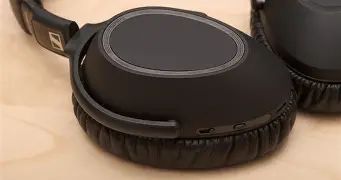
What I appreciated most
- Balanced, travel-friendly sound: Full-bodied but not overly bass-heavy; pleasant for long listening sessions.
- Effective ANC for travel: Great at reducing steady low-frequency noise like engines and air conditioning.
- Lightweight comfort: I could wear them for long stretches with little fatigue.
- Practical foldability and case: Compact for packing and easy to store.
- Reliable Bluetooth pairing: Stable connections on multiple devices in my tests.
What disappointed me
- Micro-USB charging: In 2026 I prefer USB-C, and using micro-USB felt dated.
- Touch control quirks: The swipe volume control sometimes required multiple attempts to be precise.
- Outdoor call performance: Microphone sensitivity to wind and heavy traffic made some calls less clear.
- Not the most neutral sound: If you want reference-level neutrality, these skew slightly warm.
Pros & Cons
- Pros:
- Comfortable for extended wear
- Good ANC for travel noise
- Warm, pleasing sound signature
- Compact foldable design and solid case
- Long battery life in everyday use
- Cons:
- Micro-USB charging instead of USB-C
- Touch controls can be hit-or-miss
- Microphone struggles in windy environments
- Not a reference-neutral sound — colored for enjoyment
How it compares
To give context, I compared the Pxc 550 to two other popular travel ANC headphones I've tried: a well-known Bose travel model and a Sony model known for strong ANC. Below is a compact comparison of subjective strengths and weaknesses based on my hands-on time.
| Feature | Pxc 550 Wireless (my experience) | Bose QC-series (subjective) | Sony WH-1000X series (subjective) |
|---|---|---|---|
| ANC effectiveness | Very good on steady engine/noise; slightly less aggressive on sudden highs | Excellent, very consistent on plane/cabin noise | Top-tier ANC with strong low- and mid-frequency reduction |
| Sound signature | Warm, musical, travel-friendly | Balanced and safe, tuned for clarity | Rich with customizable EQ; more bass emphasis available |
| Comfort | Lightweight and comfortable long-term | Very comfortable with plush padding | Comfortable but can feel slightly heavier |
| Controls | Physical + touch; usable but finicky | Physical buttons; reliable | Touch controls with robust app mapping |
| Battery & charging | Long everyday life; micro-USB charging | Long battery; many models use USB-C (varies) | Long battery; typically USB-C and quick charge |
| Call quality | Good in quiet, challenged outdoors | Generally solid call quality | Good with advanced noise reduction for calls |
Buying guide — is the Pxc 550 right for you?
If you're considering the Pxc 550, here's how I would decide based on my experience and the way I use headphones.
Who should buy the Pxc 550
- You travel regularly and want a lightweight, foldable headphone that reduces plane and train noise without being bulky.
- You prefer a warm, engaging sound rather than neutral studio accuracy — great for pop, podcasts, and casual listening.
- You value comfort for long listening sessions and a compact case for packing.
- You appreciate reliable Bluetooth pairing and the convenience of using the headphones wired when needed.
Who might look elsewhere
- You take lots of calls outdoors in windy or noisy urban environments — consider a headset with stronger wind-proof mic performance.
- You want the latest charging standard and fastest charging — some alternatives offer USB-C and faster top-ups.
- You demand studio-neutral sound for mixing or critical listening — seek out headphones that prioritize flat response.
Practical tips before buying
- Try to test fit if possible — ANC and comfort depend heavily on a good seal.
- Consider whether you need precise touch controls or prefer tactile buttons; the Pxc 550 mixes both.
- Check battery performance in real-world conditions similar to your own usage (e.g., heavy ANC and long phone calls will drain faster than intermittent listening).
- Make sure you have the right charging cable available — the model uses micro-USB in my unit.
Final thoughts and conclusion
After using the Pxc 550 Wireless for months, what I found was a consistently comfortable, travel-oriented headphone with a pleasing sound and effective ANC for everyday travel noise. I appreciated how lightweight and packable they are, and the sound signature kept my playlists enjoyable on long trips without causing listening fatigue. I was surprised by how well they handled plane engine rumble and the convenience of folding them flat into the case.
On the flip side, the micro-USB charging is dated, the touch volume control could be more precise, and the microphone struggled in very windy outdoor calls. Those are not insignificant if any of those are top priorities for you, but for most people looking for a comfortable travel headphone with good ANC and enjoyable sound, the Pxc 550 delivers strong value and performance.
In my experience the hype is mostly justified if your priorities match what this headset does best: comfortable travel use, pleasing sound, and reliable ANC. If you need the absolute best call microphone in noisy outdoor conditions or the absolute most neutral studio sound, consider other options. Personally, these have earned a permanent spot in my travel bag — they do most things well and do them comfortably, which is exactly what I want from a travel pair.