Biggest Msi Mpg 272Urx Qd Oled Monitor Buying Mistakes (And How to Avoid Them)
Introduction
The Msi Mpg 272Urx Qd Oled monitor arrives amid growing interest in QD‑OLED panels for desktop use. Buyers are drawn by promises of deep blacks, vivid color, and responsive motion, but the decision to purchase a high‑end QD‑OLED display carries traps that can turn an otherwise excellent monitor into a disappointment. This guide explains the most common buying mistakes people make when considering the Msi Mpg 272Urx Qd Oled, gives a practical review and analysis of the product's strengths and limits, and offers clear, actionable advice for choosing, setting up, and living with the display.
Product review and analysis
The Msi Mpg 272Urx Qd Oled centers on a quantum‑dot OLED panel intended for a mixture of gamers, creators, and general power users. In real‑world use, the panel delivers remarkably deep blacks and a very high perceived contrast ratio, which benefits HDR content and darker scenes in games and movies. Colors look saturated and punchy, which helps color‑critical previews and multimedia consumption feel alive. For gamers, the low pixel response and smooth motion are noticeable when compared with traditional LCD panels.
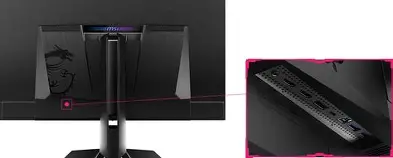
Design and build quality are important to daily experience. The Msi Mpg 272Urx generally features a solid chassis and an adjustable stand with tilt, height, and swivel adjustments, which means it can be positioned for a wide variety of desks and seating arrangements. Connectivity typically covers the modern basics: multiple HDMI and DisplayPort inputs, USB‑A ports for peripherals, and an upstream USB‑C or USB‑B for hub functionality. These ports support multi‑device workflows such as switching between a workstation laptop and a gaming desktop without constant cable swaps.
Color performance is one of the monitor's strongest selling points. Quantum‑dot OLED technology widens the color gamut compared with conventional OLED and many IPS panels, allowing better coverage of professional color spaces used in photo and video editing. However, buyers who need absolute color accuracy out of the box should plan for calibration. Factory calibration varies and, while many units are well aligned, a small number require adjustments to reach print or broadcast tolerances used by professionals.
HDR presentation is another highlight. QD‑OLED's deep blacks and bright highlights make HDR content appear more dimensional and lifelike. Yet HDR experience depends heavily on peak luminance and the monitor's tone mapping. In brightly lit rooms or near windows, perceived HDR impact reduces. The monitor's local dimming (or pixel‑level control) produces strong highlights on dark backgrounds, but brightness ceilings on desktop QD‑OLEDs are not infinite; the environment and content matter.
Motion and gaming features are compelling for competitive players and enthusiasts. Fast response times, low input lag, and support for adaptive sync technologies help minimize motion blur and tearing. Many users running high‑frame‑rate titles will appreciate the fluidity and responsiveness, particularly on well‑tuned GPUs. Conversely, console gamers should check supported resolutions and refresh rates for their console generation to ensure compatibility.
Finally, longevity considerations surface with QD‑OLED technology. Like other self‑emissive panels, QD‑OLED carries a non‑zero risk of image retention or burn‑in under prolonged static content. Manufacturers mitigate this with software features—pixel shifting, logo detection dimming, and screensavers—but buyers who plan to use the monitor for many hours a day with static UI elements (for example, trading platforms, broadcast overlays, or static toolbar applications) should understand the tradeoffs and adopt usage patterns that reduce risk.
Real‑world use cases
- Content creators: Photo and video editors will appreciate the wide gamut and deep blacks for grading and previewing HDR video, though they may need a colorimeter for exact calibration.
- Competitive gamers: Fast response and low input lag support high‑frame‑rate play, making the monitor suitable for esports titles and twitch shooters.
- Mixed‑use professionals: Developers and knowledge workers benefit from crisp text rendering and a compact 27‑inch desktop footprint while enjoying richer media playback during breaks.
- Media consumers: Movie and streaming fans will notice improved contrast and punchier HDR scenes versus traditional LCDs.
Pros & Cons
- Pros:
- Exceptional contrast and deep blacks that greatly improve HDR and dark‑scene reproduction.
- Wide color gamut and vivid color for visually rich content.
- Low response times and very good motion handling for gaming.
- Ergonomic stand and solid build for desktop setups.
- Modern connectivity suited to multi‑device workflows.
- Cons:
- Potential for image retention or burn‑in with prolonged static content exposure.
- Factory calibration may vary; creators may need to calibrate manually.
- Peak brightness for HDR can be limited compared with large TV HDR references—ambient light affects perceived HDR impact.
- Price tends to be higher than comparable LCD panels with similar resolution and refresh rates.
- Replacement/repair costs for QD‑OLED panels may be significant if the panel is damaged outside warranty.
Comparison table
| Feature | Msi Mpg 272Urx Qd Oled | Typical 27" 4K IPS | Typical 27" Fast VA |
|---|---|---|---|
| Contrast | Very high — true blacks from self‑emissive pixels | Medium — backlight limits black depth | Higher than IPS but lower than QD‑OLED |
| Color gamut | Wide — quantum‑dot expands color | Wide, but less saturated in some hues | Good, variable by model |
| Motion response | Excellent — low response & input lag | Good, may have perceptible blur | Good to very good for gaming models |
| HDR experience | Very impactful in dark scenes; depends on peak luminance | Requires high peak brightness to match | Often good contrast but limited highlight headroom |
| Burn‑in risk | Higher risk vs LCD — needs mitigation | Minimal — LCD panels do not burn in | Minimal — LCD panels do not burn in |
| Typical price point | Premium | Variable — mainstream to premium | Mid to premium |
Biggest buying mistakes and how to avoid them
Mistake 1 — Ignoring burn‑in risk
Many buyers assume new panel technologies are maintenance‑free. The Msi Mpg 272Urx Qd Oled uses emissive pixels that can develop image retention if static elements remain on screen for long periods. To avoid problems, buyers should:
Looking for the best Laptops & Computers deals on Amazon?
Shop Amazon →- Use dynamic wallpapers and screen savers that engage after short idle intervals.
- Enable built‑in pixel maintenance features (pixel shift, logo dimming) and keep firmware updated.
- Avoid leaving the same UI elements on-screen for tens of thousands of hours — rearrange toolbars or use auto‑hiding taskbars when possible.
- Consider usage patterns: for static monitoring dashboards, an LCD might be a safer long‑term option.
Mistake 2 — Expecting perfect out‑of‑box color accuracy
Some buyers expect factory calibration to match high‑end colorimeters. The reality is that tolerances vary. Professional color work often requires a calibration pass with hardware, even on premium panels. To avoid disappointment:
- Budget for a colorimeter if color accuracy is critical (photography, printing, broadcast).
- Check for advertised factory calibration reports (Delta E figures) and vendor policies before purchase.
- Test the monitor with sample images and reference content immediately after setup and adjust using built‑in color presets as a starting point.
Mistake 3 — Overlooking system compatibility and ports
Buying a high‑refresh QD‑OLED without verifying GPU output capabilities creates frustration. High frame rates and resolutions require compatible cables and GPU support. To prevent issues:
- Confirm that the GPU supports the monitor's maximum resolution and refresh rate over the intended port (DisplayPort or HDMI). Some consoles and older GPUs limit refresh or resolution.
- Use certified high‑speed cables and check for firmware updates that may improve compatibility.
- Remember that USB‑C hub features may have bandwidth limits; clarify how USB‑C is implemented (display, data, power delivery) before depending on it.
Mistake 4 — Buying solely for gaming without considering HDR limits
While QD‑OLED excels in contrast, desktop monitors tend to have lower sustained peak brightness than large HDR TVs. Expectation mismatches occur when buyers assume TV‑style HDR punch in every scene. To set realistic expectations:
- Read HDR performance notes carefully and consider room lighting — HDR looks best in subdued ambient light.
- Use the monitor for its combined strengths: contrast, color, and speedy response rather than relying solely on extreme HDR brightness.
Mistake 5 — Forgetting ergonomics and desk fit
Assuming a 27‑inch display will fit every setup is common. Cable reach, stand height, and VESA‑mount compatibility impact comfort and posture. To avoid regrets:
- Measure the desk depth and monitor required viewing distance before buying.
- Verify stand adjustments and VESA pattern for flexible mounting options.
- Consider a monitor arm if the default stand won't position the display correctly without compromising ergonomics.
Buying guide — What to check before purchase
A careful shopper should consider the following checkpoints to ensure the Msi Mpg 272Urx Qd Oled is the right fit.
1. Intended primary use
Identify whether the display will serve gaming, content creation, or mixed productivity. For creators, color calibration and uniformity matter. For competitive gamers, refresh rate and input lag are priorities. For mixed use, balance both and accept potential tradeoffs such as slightly higher calibration effort or the need to manage static content.
2. Room lighting and HDR expectations
HDR impact diminishes in bright rooms. If the environment is well lit, consider whether the monitor's peak brightness meets expectations; otherwise, the superior contrast will still benefit standard dynamic range content.
Find top-rated Laptops & Computers products at great prices.
View Offers →3. Burn‑in mitigation plan
Decide on a usage pattern and enable the monitor's anti‑burn features. Rotate tasks or use two displays if static interfaces are common. If the job involves persistent static overlays, an LCD might be a safer alternative.
4. Calibration tools and workflow
Plan for calibration if color accuracy is required. A mid‑range colorimeter and calibration software are worthwhile investments for creators. Verify whether color presets and profiles are available for quick switching between gaming and creative workflows.
5. Connectivity and GPU capability
Ensure the GPU can drive the monitor at the desired resolution and refresh rate. Confirm that cables and ports (DP/HDMI/USB‑C) match the intended use; for laptops using a single USB‑C, check power delivery and display friendliness.
6. Warranty and service
Review warranty coverage specific to panel defects and burn‑in. Some manufacturers offer extended or specialized warranties for OLED technology; buyers with heavy‑duty requirements should prioritize those policies.
7. Panel uniformity and dead pixel policy
Uniformity can vary between units. When purchasing, check the vendor's dead‑pixel and exchange policy to understand what qualifies for replacement. On arrival, test for stuck pixels, backlight uniformity, and any non‑uniform tint across the panel.
Setup tips after purchase
- Run a basic calibration or at least select a color preset that matches intended work (sRGB for web work, DCI‑P3 for HDR/content preview).
- Disable or reduce static UI elements; enable auto‑hide for taskbars and toolbars when possible.
- Keep firmware and graphics drivers up to date for stability and compatibility improvements.
- Use power management wisely—enable a sleep timer to power down the monitor during long idle periods.
- Test multiple refresh rates to find the sweet spot for the GPU and use case — higher refresh rates are great for gaming but may be unnecessary for content creation tasks where color bit depth and stability may be prioritized.
Conclusion
Choosing the Msi Mpg 272Urx Qd Oled can be a rewarding decision for those who value contrast, striking color, and excellent motion handling. However, buyers must avoid common pitfalls: neglecting burn‑in risks, assuming perfect out‑of‑box color, mismatching the monitor with older GPUs or consoles, and overlooking ergonomics and warranty details. With sensible expectations, a small investment in calibration tools, and a thoughtful setup that minimizes static content exposure, the monitor can deliver a compelling desktop experience across gaming, creative work, and media consumption. The key is to match the monitor's strengths to real use cases and to adopt practices that protect and preserve the panel's performance over time.